Oak Island: The Treasure That Killed Men
Off the mist-shrouded coast of Nova Scotia, Canada, sits a small, unassuming patch of land in Mahone Bay. To the untrained eye, Oak Island looks entirely ordinary. Yet for over 230 years, this tiny island has held men spellbound, consumed fortunes, and taken human lives—all in pursuit of a mysterious treasure hidden deep within its depths.
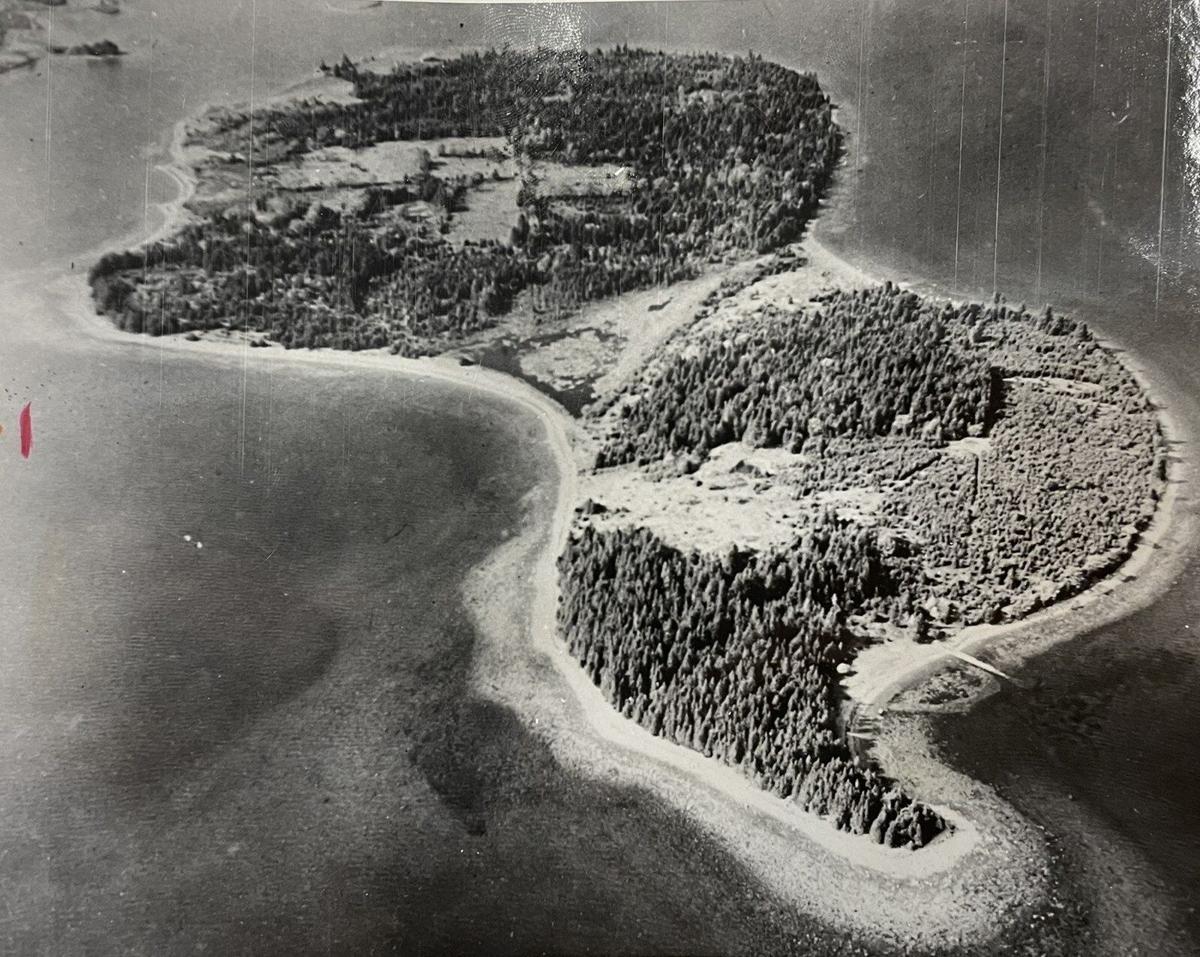
The Discovery That Started an Empire of Obsession
The saga began in 1795 when a teenager named Daniel McGinness noticed a curious circular depression in the earth near an oak tree, with an old block and tackle hanging from a branch above it. Intrigued, McGinness returned with two friends, John Smith and Anthony Vaughn, and began to dig.
What they uncovered was not ordinary dirt. A few feet down lay a layer of flagstones. At 10-foot intervals beneath that, they struck deliberate platforms of wooden logs. The boys had stumbled upon what would become known to history as the Money Pit—a deep, complex shaft designed with undeniable engineering skill.
As word spread, searchers descended on the island. By the early 1800s, deeper excavations revealed layers of charcoal, clay, and coconut fiber—materials completely alien to the local geology. But just as diggers believed they were closing in on the prize, the island struck back.
The Trap Is Sprung: An Engineering Marvel or Nature’s Defense?
At a depth of around 90 feet, diggers encountered a terrifying obstacle: water. Seawater rushed into the shaft, flooding the pit faster than pumps or buckets could drain it.
Believers hypothesized that the Money Pit was protected by a sophisticated booby trap—a system of subterranean flood tunnels running from the shore at Smith’s Cove directly to the shaft. Whoever buried the treasure had seemingly engineered the Atlantic Ocean itself to act as an unyielding guard.
Adding fuel to the fire was the legendary discovery of a flat stone inscribed with strange symbols, allegedly translated years later as:
“Forty feet below, two million pounds lie buried.”
Whether the stone was genuine or a clever fabrication to entice investors, it gave the Money Pit a voice—and a tantalizing promise that kept men digging.
       [ Surface Depression / Oak Tree ]
                      │
   0 ft ──────────────┴────────────── Flagstones
                      │
  10 ft ──────────────┴────────────── Wooden Log Platform
                      │
  20 ft ──────────────┴────────────── Wooden Log Platform
                      │
  30 ft ──────────────┴────────────── Wooden Log Platform
                      │
                      :
                      │
  90 ft ──────────────┴────────────── Inscribed Stone / Water Influx
                      │
         ~~~ OCEAN FLOOD TUNNEL ~~~
                      │
                      ▼
            [ Mysterious Target ]
Pirates, Templars, or Shakespeare’s Lost Plays?
The sheer scale of the underground works spawned theories as grand as they were wildly diverse:
-
Pirate Gold: Early legends linked the site to Captain William Kidd, claiming the infamous pirate had hidden his plundered wealth on the remote island.
-
French Military Treasury: Others suggested the pit held French military payrolls hidden during the 18th-century imperial wars for control of Acadia and Fortress Louisbourg.
-
The Knights Templar & Sacred Relics: Perhaps the most thrilling theory connects Oak Island to the fleeing Knights Templar, alleging they buried priceless holy relics—such as the Holy Grail or the Ark of the Covenant—far across the Atlantic.
-
Sir Francis Bacon: A bizarre literary theory posits that Sir Francis Bacon buried original, coded manuscripts proving he was the true author behind Shakespeare’s masterpieces.
The Deadly Curse: “Seven Must Die”
Over the decades, excitement turned to tragedy. A grim legend took hold over the island: Seven men must die before Oak Island gives up its treasure.
Tragedy struck in 1861 when a pump boiler exploded, claiming the life of the first treasure hunter. But the darkest day in the island’s history occurred in 1965. Searcher Robert Restall, his son Bobby, and two fellow workers—Carl Graser and Cyril Hiltz—were overcome by deadly hydrogen sulfide fumes inside a shaft. All four men perished in a single afternoon.
To date, six men have officially lost their lives chasing the mystery.
| Year | Event / Tragedy | Fatalities |
| 1795 | Daniel McGinness discovers the Money Pit | 0 |
| 1861 | Boiler explosion during drainage attempt | 1 |
| 1909 | Future US President Franklin D. Roosevelt joins hunt | 0 |
| 1965 | Restall family tragedy (toxic gas in shaft) | 4 |
The Modern Quest: Fact or One Great Myth?
In 2014, the search entered the global pop-culture arena with the History Channel’s hit series The Curse of Oak Island, following brothers Rick and Marty Lagina. Armed with heavy machinery, sonar, core sampling, and professional archaeologists, the modern team has unearthed intriguing artifacts—centuries-old coins, lead crosses, and wooden wharf structures.
Yet, despite state-of-the-art technology, the core question remains unanswered: Is Oak Island a masterwork of ancient engineering guarding a world-changing secret, or is it a natural geological phenomenon wrapped in a two-century-old human obsession?
Perhaps the true curse of Oak Island was never magical at all. Perhaps the curse was the relentless belief that the next shovel full of earth would reveal what every man before had failed to find.